Pre Owned Designer Clothes: Your Buying Guide
Pre owned designer clothes give you access to genuine luxury at a fraction of boutique retail prices. The catch is that the resale market mixes authentic pieces with fakes, so knowing what to look for before you buy matters. This guide covers everything: spotting authenticity, what condition signals to watch, which labels hold up best in resale, and how to consign your own pieces for cash.
Why Pre Owned Designer Clothes Are Worth It
The price difference alone is compelling. A Chanel tweed jacket that retails at £4,500 can appear in the pre-owned market at £1,800 to £2,500, authenticated and in excellent condition. That is not a marginal discount. It is a different category of access entirely.
But price is only part of it. Buying pre-owned is also one of the most direct ways to support circular fashion. The fashion industry is one of the largest contributors to textile waste globally, and buying secondhand extends the life of a garment that already exists rather than funding new production. The Ellen MacArthur Foundation has documented how keeping clothes in use longer is one of the highest-impact actions in reducing fashion's environmental footprint.
There is also a scarcity angle that makes pre-owned shopping genuinely exciting. Archive Dior pieces, discontinued Gucci prints, rare Hermès colourways. These are not available in any boutique, at any price. The pre-owned market is where they live.
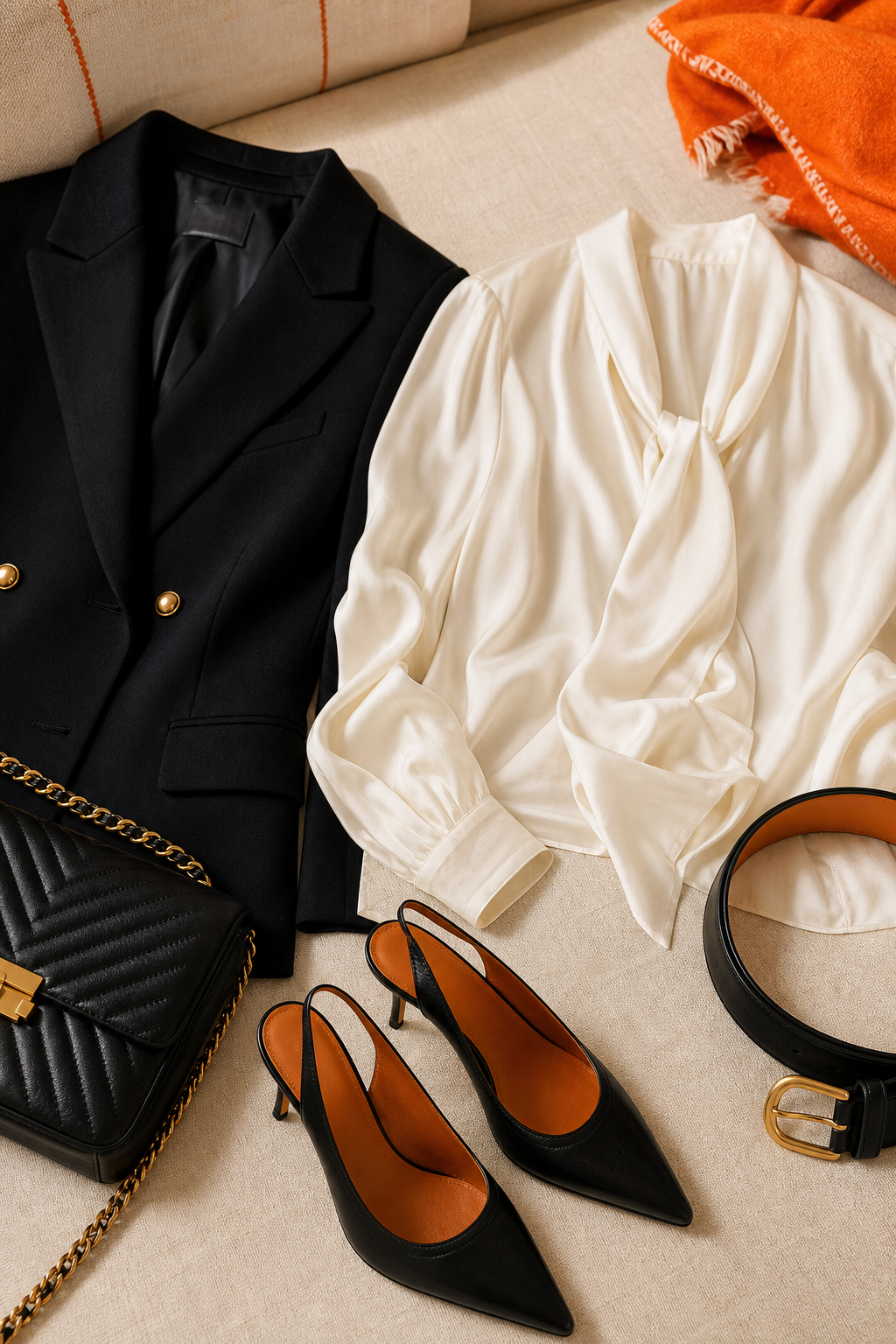
At CSD (Consigned Sealed Delivered), every piece is authenticated in-house using both Entrupy and Real Authentication before it is listed. That means buyers get the resale price advantage without the authenticity risk. The collection refreshes daily as new consignments arrive, covering everything from everyday cashmere knitwear to occasion gowns from Balmain and Valentino.
The value case for pre-owned is strongest on classic pieces from the major houses. A well-maintained Prada nylon bag or a Burberry trench coat in excellent condition can hold close to its resale value over time. You are not just saving money at the point of purchase. You are buying something that can be resold again if your needs change.
How to Spot an Authentic Designer Piece
Authentication is not guesswork when you know what to look for. Every major luxury house builds in details that are difficult to replicate consistently, and those details are where fakes fall short.
Check the hardware
On genuine pieces from Chanel, Hermès, and Louis Vuitton, metal hardware is weighty and consistent. It does not tarnish quickly or feel hollow. Press a zip pull or clasp in your hand. Authentic hardware has substance. On fakes, it is often lightweight, slightly off-colour, or has uneven engravings.
Read the stitching
Luxury garments and bags are stitched with precision. Count the stitches per centimetre on a seam. Real Chanel handbags have consistent, even stitching throughout. Any variation, puckering, or loose threads is a warning sign. On clothing, interior seams on genuine pieces are finished cleanly, often with bound or French seams rather than raw edges.
Examine the labels and fonts
Brand labels use specific typefaces, spacing, and placement that are consistent across collections. Compare the label against confirmed examples of the same garment from the same era. A Dior label from the early 2000s looks different from a current one. Knowing the period matters. Serial numbers, date codes, and care labels also follow house-specific formats that counterfeiters frequently get wrong.
Smell and feel the materials
This sounds simple, but it is reliable. Genuine leather from Prada or Gucci has a distinct smell. Silk from luxury houses has a weight and drape that synthetics cannot match. If a piece labelled as 100% silk feels stiff or light, something is wrong.
Use technology where available
Professional authentication tools like Entrupy use AI-powered microscopic imaging to verify materials and construction against a database of confirmed authentic pieces. This is the level of scrutiny CSD applies to every item before listing. When you buy from a retailer using this standard, you are not relying on a trained eye alone. You are backed by cross-referenced data.
If you are buying from a private seller or a platform without in-house authentication, consider sending the piece to a specialist authentication service before payment clears. The cost is typically modest compared to the item value.
What to Look for When Buying Pre Owned Designer Clothes
Authentication confirms a piece is genuine. Condition assessment tells you what you are actually getting and whether the price is fair. These are two separate checks, and both matter.
Most reputable resellers use a grading system to describe condition. The terms vary between retailers, but the underlying scale is consistent. Here is how to read it.
Beyond the grade, look at the specific areas of wear that matter for the piece type. On knitwear, check the underarms and cuffs for pilling or stretching. On silk blouses, look for pulls in the weave and check the collar for yellowing. On structured blazers, check the shoulder pads for shifting and the buttonholes for fraying.
Lining condition is often overlooked. A jacket with a torn or stained lining is wearable but will need a tailor. Factor that cost into your decision. A piece in Good condition at a steep discount may still be excellent value once you account for a £50 to £80 tailoring fee. A piece in Excellent condition at a fair price needs nothing.
Also check the sizing carefully. Pre-owned designer pieces often date from periods when size labelling was different. A vintage Chanel labelled 38 may fit closer to a contemporary 36. Where possible, compare the item's actual measurements against your own rather than relying on the label. Good resellers provide measurements in the product listing.
If you are drawn to vintage designer clothing, condition grading matters even more. Archive pieces from the 1980s and 1990s can have storage-related issues that are not always obvious in photographs, such as slight odour, elastic degradation, or colour shift in synthetic lining fabrics. Ask for a detailed condition report before buying anything from more than 20 years ago.
The Best Designer Labels to Buy Pre Owned
Not all designer labels perform equally in the pre-owned market. Some hold their quality and desirability across decades. Others date quickly or use materials that do not age well. Here are the houses that consistently deliver the best experience as pre-owned buys.
Chanel
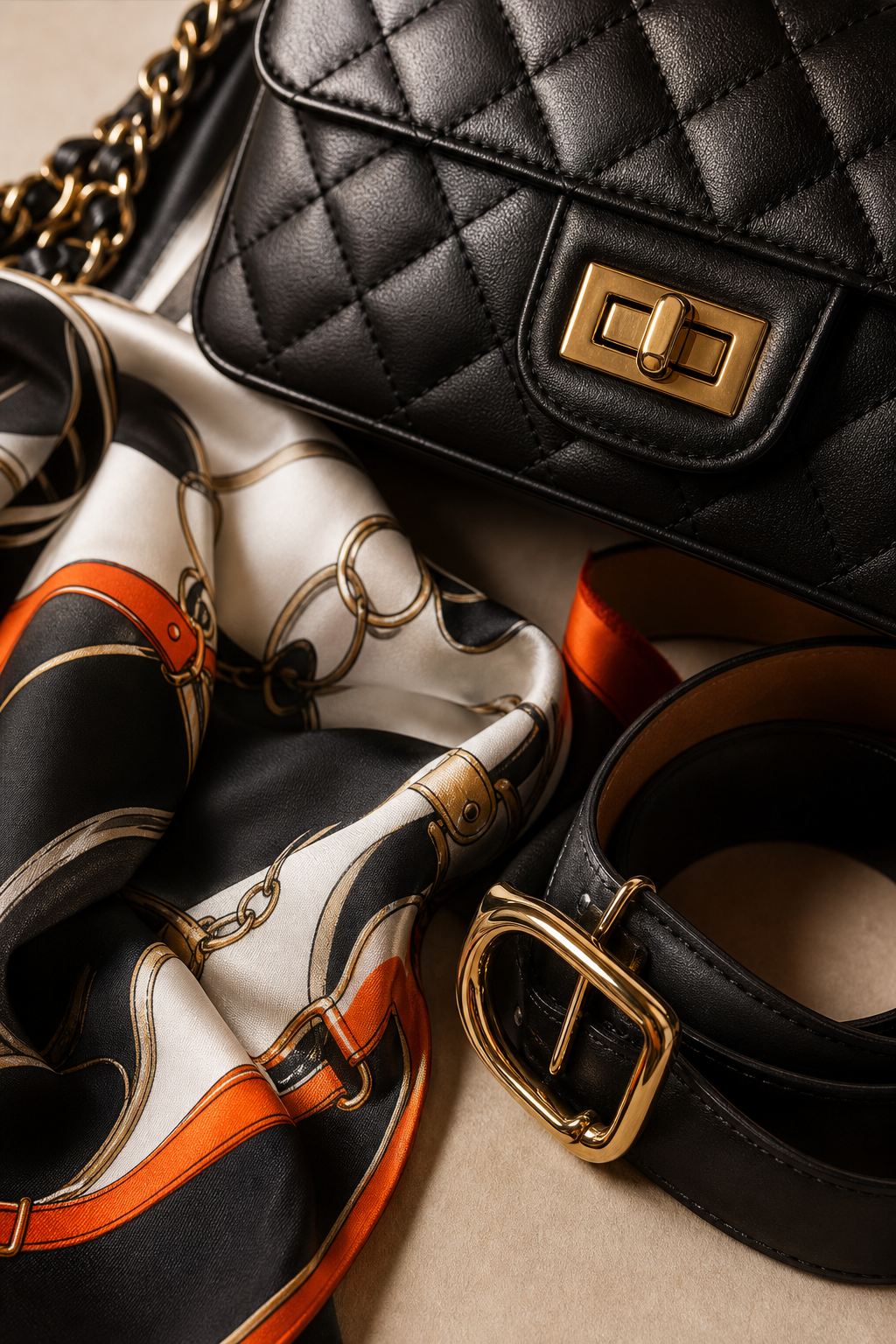
Chanel's classic pieces, particularly the tweed jacket and the quilted 2.55 and Classic Flap bags, have become some of the most price-stable items in the entire luxury resale market. The craftsmanship is consistent, the house maintains strict quality standards, and the aesthetic does not date. Pre-owned Chanel clothing also benefits from the house's use of quality fabrics. A Chanel tweed from 15 years ago still looks and wears beautifully today.
Hermès
Hermès scarves and leather goods are the gold standard for resale. The silk twill used in Hermès scarves is thick, print-saturated, and remarkably durable. A scarf in excellent condition from the 1990s is indistinguishable in quality from a new one. Hermès leather goods, particularly bags, often appreciate in value. Buying pre-owned Hermès is frequently a better financial decision than buying new, if you can find the piece you want.
Dior and Gucci
Both houses have strong archive appeal. Pre-owned Dior from the early 2000s John Galliano era is genuinely collectible. Gucci's Tom Ford period (late 1990s to early 2000s) is similarly sought-after. More recent pieces from both houses also perform well in the secondhand market, particularly tailored items and leather goods that hold their shape over time.
Prada and Bottega Veneta
Prada's nylon pieces have proven almost timeless. The Tessuto fabric ages well, cleans easily, and the minimal branding means pieces from a decade ago do not look dated. Bottega Veneta's woven leather is both distinctive and durable. Pre-owned BV is often excellent value because the understated aesthetic means condition shows less than on heavily branded pieces.
At CSD, the new arrivals in pre-owned designer clothing span all of these houses and more, with stock changing daily as consignments are assessed and listed. Pieces are priced to reflect real market value, and the in-house authentication covers every item across every category.
For those travelling to London, the CSD boutique at 70-72 Marylebone Lane is worth a visit. Seeing pieces in person before buying is always the best approach, particularly for knitwear, silk, and anything where drape and texture matter.
If you are interested in frequent flyer points or travel credit card strategies that help fund luxury purchases, PointsPlayTravel offers detailed guidance on maximising travel rewards for high-value spending categories.
How to Sell or Consign Your Designer Clothes
Consignment is a straightforward way to give a designer piece a second life and recover real value. The process at a specialist like CSD is designed to be low-effort for the seller.
Step 1: Assess what you have
Start by identifying pieces that are in sellable condition. Luxury labels with strong resale demand, good condition, and original or verifiable provenance will always find a buyer. Pieces with significant damage or from labels with low secondary market demand may not be worth consigning. Be honest with yourself here. A heavily worn piece at a lower price is better than an overpriced piece that sits unsold.
Step 2: Understand the commission structure
CSD publishes a clear, tiered commission structure. Consignors earn between 65% and 85% of the final resale value, depending on the item's sale price, with CSD taking between 15% and 35%. Higher-value items attract better rates. Full details are at CSD's commission rate page. There are no hidden fees and no guessing. You know exactly what you will receive before you hand anything over.
Step 3: Submit your pieces
CSD accepts consignments in person at the Marylebone Lane boutique and via post. Pieces are assessed by the in-house team against condition standards and market demand. Not every piece will be accepted, and that selectivity is a feature, not a problem. It keeps the edit tight and the prices realistic for the buyers who shop there.
Step 4: Choose cash or store credit
Once your piece sells, you receive either a cash payment or store credit. Store credit often comes with a slightly better rate and is a good option if you plan to shop for pre-owned pieces yourself. The circular logic here is satisfying: sell something you no longer wear, fund something you will love.
The authentication step is not just for buyers. Knowing that every piece in the CSD edit is verified gives your consigned items credibility. Buyers shopping at CSD trust the authentication process, which means your piece is more likely to sell quickly and at a fair price than it would through an unauthenticated channel.
The fashion industry is increasingly recognising the economic sense of circular models. According to UK government guidance on extended producer responsibility, producers across categories are being held to account for end-of-life product management. Consigning your designer pieces rather than discarding them fits directly into this broader shift toward keeping quality goods in circulation.
FAQ
Are pre owned designer clothes authentic?
They can be, but authenticity depends entirely on the seller. Pre-owned designer clothes from specialist consignment retailers that authenticate in-house, like CSD using Entrupy and Real Authentication, are verified before sale. Private sellers and open marketplaces carry more risk. Always buy from a source that can document the authentication process before you commit.
How much cheaper are pre owned designer clothes compared to new?
Typically 30% to 70% below original retail, depending on the label, the piece, and its condition. New-with-tags pieces at resale tend to sit at the lower end of the discount range. Pieces in Good condition or from older seasons can be 60% to 70% below what the same item cost new. Classic styles from Chanel and Hermès sometimes hold closer to retail value due to demand.
What designer labels are worth buying pre owned?
Chanel, Hermès, Louis Vuitton, Dior, Gucci, Prada, and Bottega Veneta are the most reliable choices. These houses use high-quality materials, have consistent resale demand, and produce pieces that age well. Hermès and Chanel in particular hold value strongly. Avoid labels with thin materials or heavily trend-led designs, as these date quickly and are harder to authenticate.
How do I know if a pre owned designer piece is in good condition?
Look at the specific wear points for that item type: underarms and cuffs on knitwear, collar on silk blouses, shoulder seams and buttonholes on blazers, and lining on structured outerwear. Ask for actual measurements rather than relying on size labels, especially on vintage pieces. A good reseller will provide close-up photographs and a written condition report on request.
Can I return pre owned designer clothes if I change my mind?
CSD offers a 14-day return window from delivery for a refund or store credit, handled directly by CSD, not a third-party seller. This is one of the advantages of buying from a curated consignment boutique rather than a peer-to-peer marketplace, where return policies vary widely and recourse can be difficult. Full details are at csd.shop/returns/.
How do I consign designer clothes I no longer wear?
Bring pieces to CSD's Marylebone Lane boutique or send them by post. The team assesses condition and market demand, authenticates accepted items in-house, and lists them. You earn 65% to 85% of the final sale price depending on item value, paid as cash or store credit. There are no upfront fees. The full commission breakdown is published at csd.shop/commission-rate/.
Conclusion
Buying pre owned designer clothes well comes down to two things: knowing the piece is genuine and understanding what condition you are actually getting. Both are manageable when you buy from a retailer that authenticates in-house and grades honestly. If you are ready to shop, the CSD collection of second hand designer clothes for women is a good place to start. New pieces arrive daily, every item is authenticated, and worldwide shipping means you are not limited by location.