
Your old Chanel flap or Birkin can still earn serious money, but where you sell decides how much you keep and how safe the sale feels. Some places pay fast and pay less. Others wait for the right buyer and pay you more. Here are the best places for selling designer bags in 2026, and who each one actually suits.
1. CSD (Consigned Sealed Delivered) (Our Top Pick)
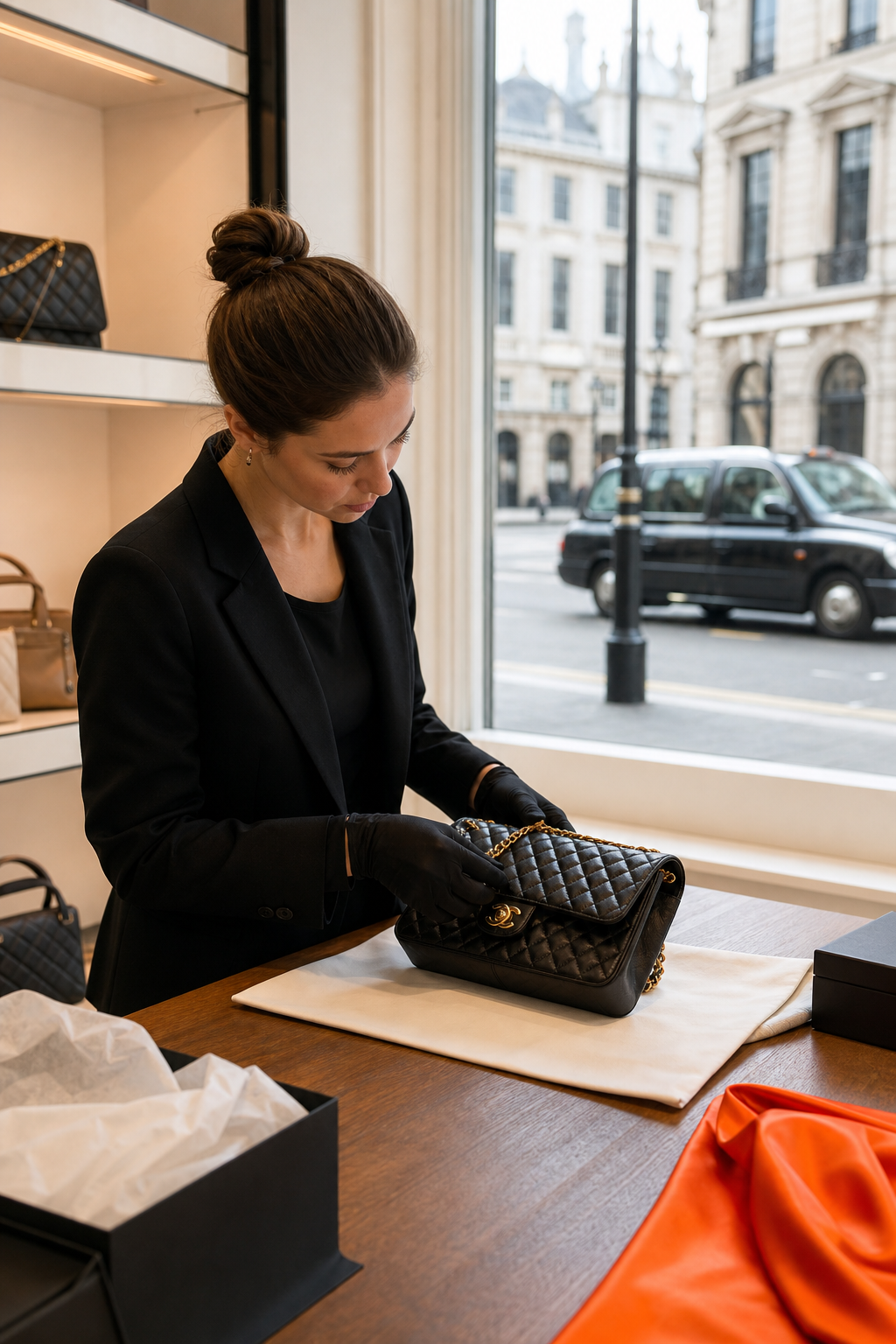
CSD (Consigned Sealed Delivered) is a London-based luxury consignment retailer that buys, consigns and sells pre-owned designer pieces online and from its boutique on Marylebone Lane. It's our top pick for one simple reason: it handles the whole sale for you while protecting your bag's value.
Best for sellers who want a hands-off, trusted route and a strong final price, not a quick lowball offer.
Every item is authenticated and quality-checked in-house using Entrupy and Real Authentication, so buyers trust what they're getting and your bag sells faster. You get upfront pricing before you commit, so you know the listed figure before the bag ever leaves your hands. Consignors keep 85% on items totalling £20,000 and above, which is a higher cut than most consignment platforms offer. You can choose cash or store credit, and payment usually lands 2 to 4 business days after the sale clears the 14-day return window.
The process itself is built to be easy. You can send photos to start a quote, drop your bag at the Marylebone store, or book a white-glove home collection. After that, CSD covers the rest, from a strict pass-fail quality check and authentication through cleaning, photography and listing. If a bag isn't fit for resale, it's returned at no charge.
The honest caveat: consignment isn't instant. Your bag sits on the platform until the right buyer appears, so if you need cash this week, an outright buy-out service will suit you better. But for the best mix of price, trust and zero hassle, this is where we'd send a friend.
2. Specialist Online Luxury Consignment Platforms
Online luxury consignment platforms sell your designer bag on your behalf to a global pool of buyers, then take a commission when it sells. They're the natural next step if you can't reach a London boutique in person.
Best for sellers who want wide reach and a polished listing without doing the photography or buyer chats themselves.
These platforms handle authentication, pricing and customer service, so you ship the bag and wait. The trade-off is commission. Rates often run high for first-time or low-volume sellers and only drop once you sell a lot. The Hollywood Reporter's roundup of luxury consignment sites notes that the big platforms compete hard on authentication and buyer trust, which is exactly what protects your sale price.
One name in this space, Rebag, offers consignment alongside outright buyout and a trade option, so you can pick speed or top dollar. That flexibility is handy, but read the fee table closely before you commit.
If you're weighing platforms, it helps to know which bags hold value first. Our guide to the most sought-after second-hand designer bags shows which styles buyers chase, so you can set realistic expectations before listing.
The catch with big online platforms is consistency. Commission structures shift, and a bag that doesn't sell can sit for months. Check the payout terms and the return policy before you ship anything valuable.
3. Auction Houses for Rare and Investment Bags
Auction houses sell rare, collectible and investment-grade bags to serious bidders, and they're where record prices happen. This route only makes sense for genuinely scarce pieces.
Best for sellers holding a Himalaya Birkin, a limited-edition collaboration, or anything with strong provenance.
The numbers here are real. In July 2025, Jane Birkin's original Hermès Birkin sold for $10.1 million at Sotheby's in Paris, setting a world record for any handbag. ing, the auction house has sold nearly $100 million worth of Birkins since 2021.
Even without celebrity provenance, exotic-skin and diamond-set Birkins regularly clear six figures at auction. A Diamond Himalaya Birkin 30 sold for over $450,000 in 2022, and standard Diamond Birkins have traded between $65,000 and $200,000.
The downside is the wait and the cut. Auctions run on a calendar, so you may wait months for the right sale. Seller's commission and buyer's premium both eat into the headline figure, and there's no guaranteed result. For a normal flap or Speedy, an auction house isn't worth the effort. Save this route for the truly rare.
4. Peer-to-Peer Resale Marketplaces
Peer-to-peer marketplaces let you list a bag yourself and sell straight to a buyer, keeping more of the price but doing all the work. They suit confident sellers who want control.
Best for sellers comfortable with photography, pricing and answering buyer questions to chase the highest cut.
You set the price, write the listing and handle messages. Because there's no middleman taking a big consignment fee, your take-home can be higher. eBay is one of the largest of these, with global reach and auction-style bidding that can push rare bags higher. It now runs an authentication service for eligible luxury handbags worth $500 or more; eBay's own description of its Authenticate program explains that experts verify and photograph the bag, and sellers receive 80% of the final sale price on covered brands.
The real risk with peer-to-peer selling is trust. Buyers worry about fakes, scammers target high-value listings, and disputes land on you. You also carry the time cost of relisting if a sale falls through. Crystal-clear photos showing every mark, plus an honest condition note, do more to close a sale than any clever caption.
Anyone selling high-value possessions privately learns the same lesson, whether it's a handbag or a car. Marketplaces built around big-ticket items, like the automotive guides at Carshug, show how much detail and transparency serious buyers expect before they part with real money.
5. Boutique Buy-Outright and Trade-In Services
Buy-outright and trade-in services pay you on the spot, taking the bag off your hands today instead of waiting for a buyer. Speed is the whole point.
Best for sellers who need cash quickly or want to swap one bag for another with no waiting.
You bring or send the bag, the service authenticates it and makes an offer, and you walk away paid. Some boutiques, such as Designer Exchange, focus on this instant model. The trade option, offered by some resellers, lets you put the value of one bag toward another in a single transaction.
Here's the honest trade-off: outright offers are lower. The buyer has to resell at a profit, so you're paid below what consignment would fetch. If your bag is in demand and you can wait, consignment through a specialist that handles authentication and listing for you usually leaves more money in your pocket.
So treat buy-outright as the convenience option. Use it when timing beats top price, and use consignment when you want the bag to earn its full value.
What to Look for When Choosing Where to Sell
The right place for selling designer bags depends on three things: how fast you need money, how much work you'll do, and how rare your bag is. A quick buyout pays today but pays less. Consignment pays more but takes patience. Use the table below to match your priority to the right route.
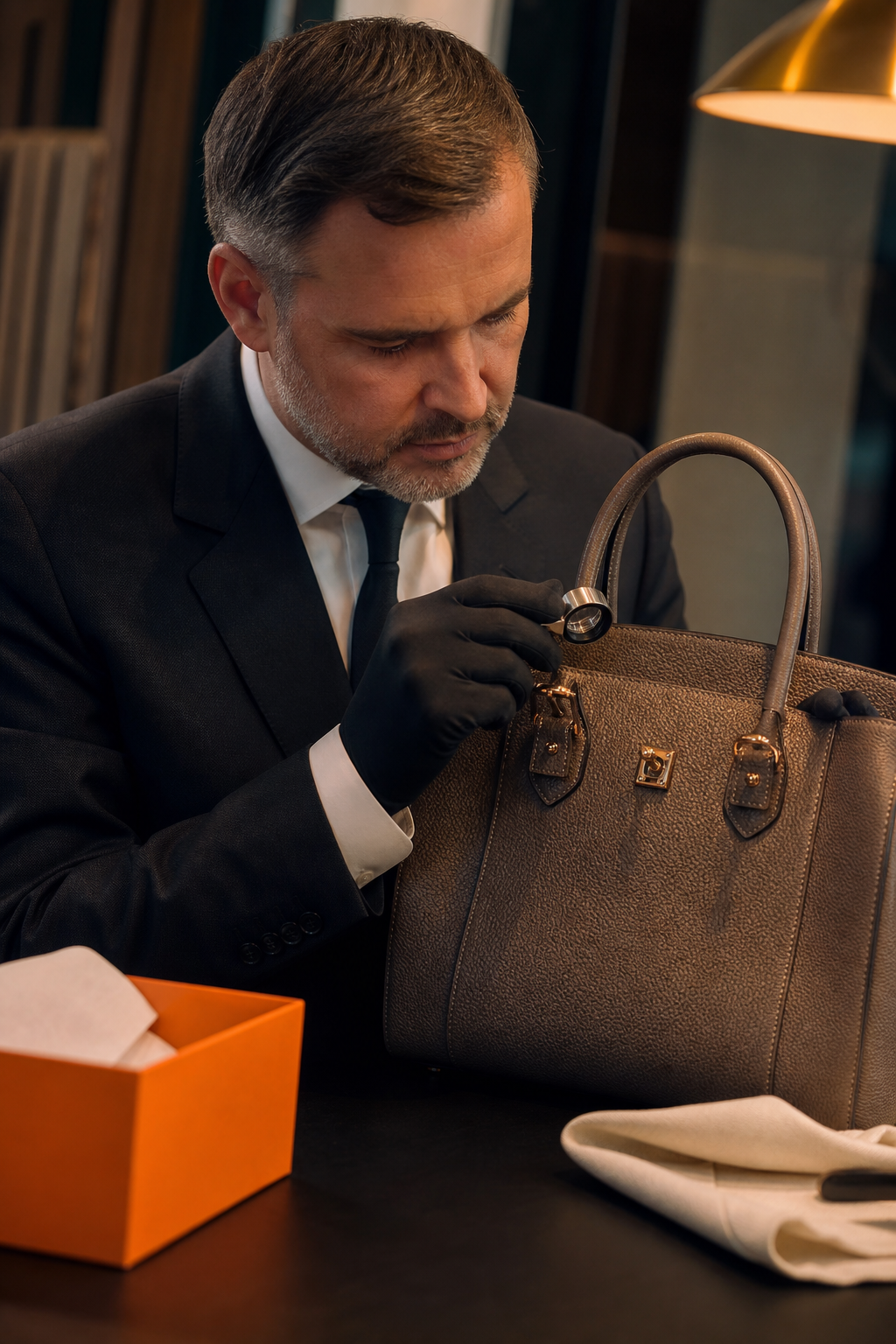
Authentication should be your first filter. A platform that verifies every item protects both your price and the buyer's trust, which is why guides on where to sell designer bags rank authentication-led platforms so highly. Bags with proven resale strength, like Hermès and Chanel, give you more room to wait for a strong offer; Vogue's reporting on bags with the best resale value backs up how well those houses hold their worth.
Before you decide, do one thing: get an upfront quote so you can compare a buyout offer against a likely consignment price. The gap usually tells you which route is right.
Frequently Asked Questions
Where is the best place to sell designer bags for the most money?
Consignment usually pays the most for selling designer bags, because the seller waits for a buyer willing to pay full market value rather than a quick wholesale offer. CSD lets consignors keep up to 85% on high-value items. For genuinely rare pieces like exotic-skin Birkins, an auction house can fetch even more, though it takes longer.
How do I know my designer bag is authentic before selling?
A trusted consignment service authenticates your bag for you using tools like Entrupy and expert checks from partners such as Real Authentication. CSD treats authentication as a separate stage from its quality check, so every bag is verified before it's listed. Keep your receipt, dust bag and any cards, as they help confirm authenticity and lift your final price.
Should I sell my designer bag outright or consign it?
Choose outright if you need cash today and accept a lower figure; choose consignment if you want the best price and can wait for the right buyer. Outright buyers pay less because they resell at a profit. For an in-demand bag in good condition, consignment almost always leaves more money in your pocket.
Which designer bags hold their value best for resale?
Hermès Birkins and Kellys hold value best and have appreciated year on year, followed by the Chanel Classic Flap and the Louis Vuitton Speedy. Limited editions and classic colourways resell strongest. Condition matters too, so a well-kept bag with its full set of accessories will always beat a worn one when you're selling designer bags.
How long does it take to get paid when consigning a bag?
With CSD, payment usually arrives 2 to 4 business days after your bag sells and the 14-day buyer return window closes. The wait before a sale depends on demand for your bag. In-demand styles can move quickly, while niche pieces may sit longer until the right buyer appears.
Conclusion
If you want the strongest balance of price, trust and convenience, consign with CSD (Consigned Sealed Delivered): they authenticate, photograph and sell the bag for you, then pay out fast once it sells. Send a few photos to get your upfront consignment quote and see what your bag is really worth before you commit to any other route.